archive-object-reference
REFERENCE : MTM.2016.0140.0229


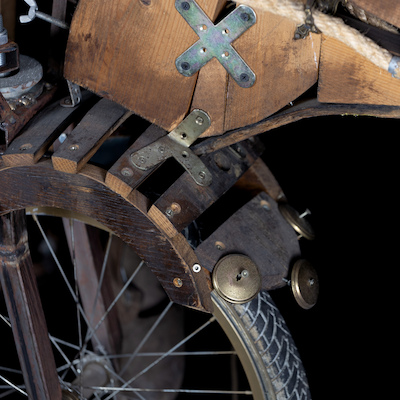
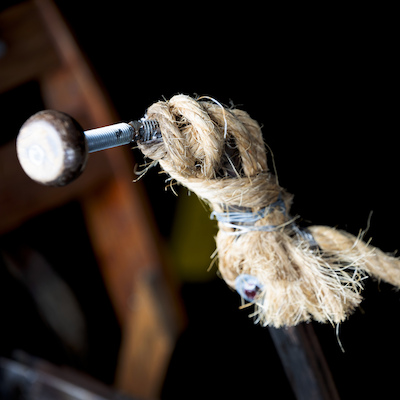
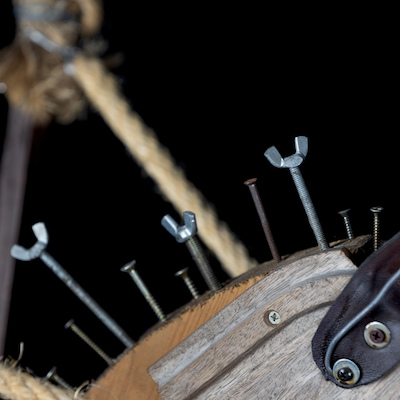

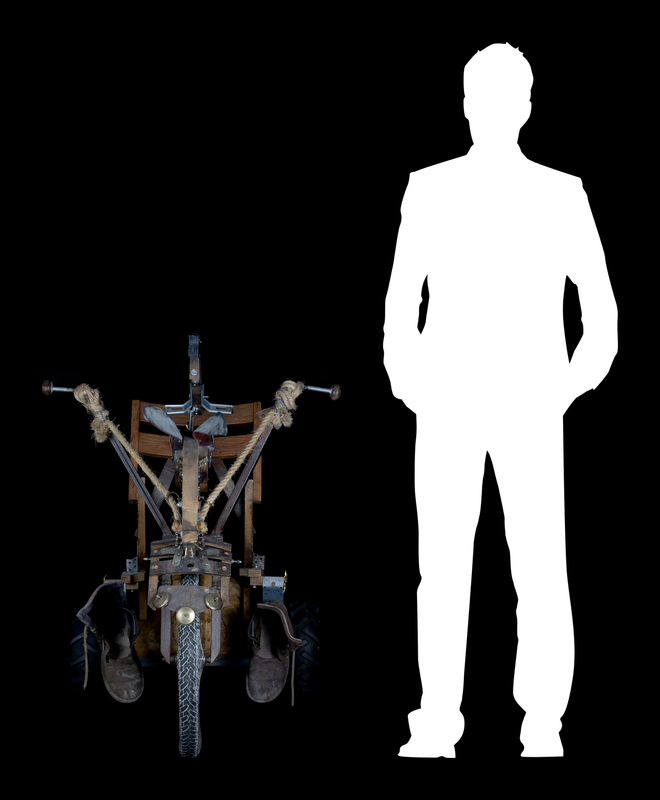
- OBJECT_HEIGHT : 1010 mm ( 3'3" in )
- OBJECT_WIDTH : 750 mm ( 2'5" in )
- OBJECT_LENGTH : 1090 mm ( 3'6" in )
- OBJECT_WEIGHT : 18150 g ( 40.01 lb )
- OBJECT_REF : MTM.2016.0140.0229
- OBJECT_NAME_EN : Donkey
- EVENT_NAME_EN : COMPLAIN
- OBJECT_TYPOLOGY_EN : animated form / direct manipulation
- OBJECT_DATE : 2016
- OBJECT_STORAGE_REF :
OBJECT_MATERIAL_EN :
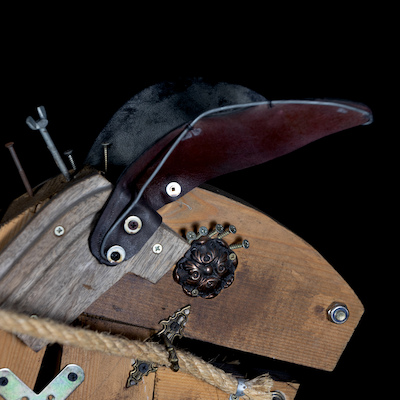
volume | wood, irondetails | leather ears
OBJECT_ARTISTS_EN :
- direction | Clara Ribeiro
- art direction | enVide neFelibata
- creation | enVide neFelibata
- built | enVide neFelibata, Migvel Tepes
- built support | João Pinto
OBJECT_DESCRIPTION_EN :
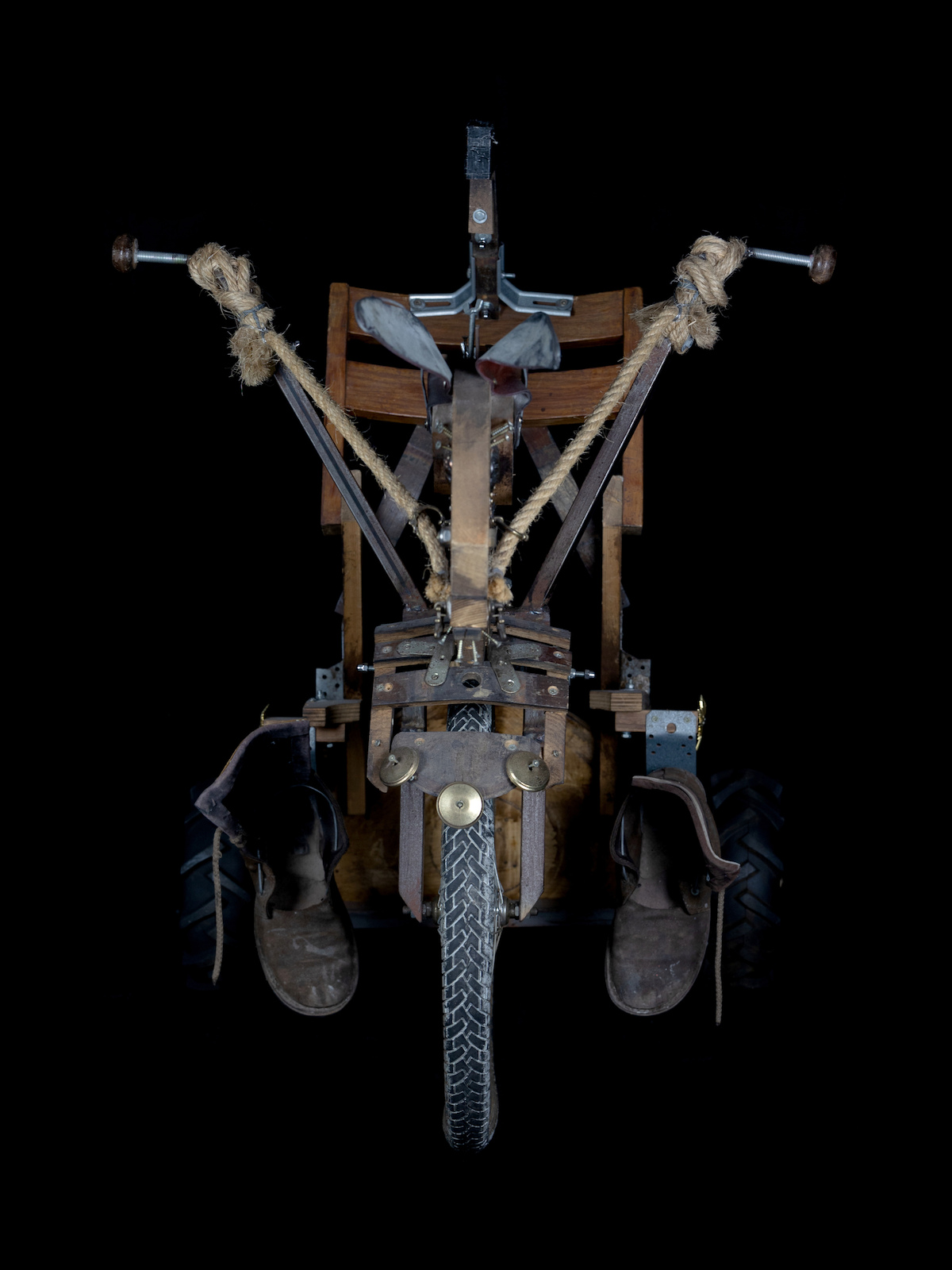
The figure of the Donkey contains many intentions. The great comicality of the character Sancho Panza, his owner, is reflected in this character Donkey, who ends up having only a scarce identity, as he has no speech.
We created a tricycle using small wheels, similar to those of a tractor.
The puppet fits and supports itself autonomously, allowing the character Sancho Panza to move, with his hands attached to the steering wheel, next to Donkey's ears. With his back and head fixed to the backrest, this character is able to move around the stage carrying his owner, reinforcing the interdependent relationship between the two characters who at some point become one.
OBJECT_CONTEXT_EN :
Performed in 1733, “The Life of the Great Don Quixote de la Mancha and the Fat Sancho Panza” was António José da Silva's first play, “The Jew”. An ironic interpretation of the play criticizes justice and the “walls” that Europe erects.